
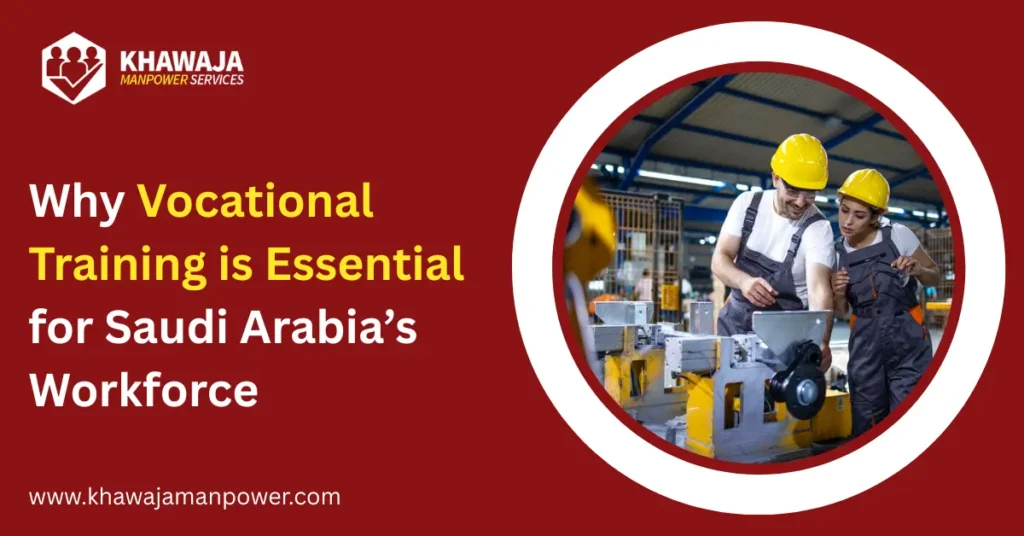
When we talk about helping people find good jobs, one important idea is vocational training. This means teaching people how to do specific jobs using their hands, tools, and machines. For example, a person might learn how to fix cars, install air conditioners, cook in a restaurant, or become an electrician. These skills are learned in special schools or training centers—not always in regular classrooms—and they are called vocational skills.
In Saudi Arabia, vocational training is becoming more important than ever. The country wants to grow and change, and it needs skilled people to help. Let’s explore why vocational training is such a big deal for Saudi Arabia and why it matters for the future of the people and the country.
1. What Is Vocational Training?
Before we dive into why it’s important, let’s understand what vocational training means. Vocational training teaches people how to do practical jobs. These are usually jobs that need hands-on work and real-world practice. It’s not just reading from books or taking notes—it’s actually doing the job while learning.
Some examples of vocational careers are:
- Electrician
- Plumber
- Mechanic
- Carpenter
- Hairdresser
- Welder
- Chef
- Technician
People who take vocational training can often start working faster than those who go to college for many years. They also have useful skills that are always needed.
2. Saudi Arabia’s Vision 2030 and the Need for Skilled Workers
Saudi Arabia is working on a big plan called Vision 2030. This plan is all about making the country stronger, smarter, and less dependent on oil for money. It includes growing businesses in areas like tourism, construction, healthcare, renewable energy, and more.
But to make this plan work, the country needs millions of skilled workers. These are not just people who know math or science from school—they are people who can build things, fix machines, work in factories, run hotels, and care for patients.
Vocational training helps create these workers. Without it, Saudi Arabia would need to keep hiring people from other countries. But by training young Saudis, the country builds its own strong and talented workforce.
3. Vocational Training Helps Young People Find Jobs
Many young people in Saudi Arabia are looking for jobs. Some of them go to university, but not everyone wants to sit in a classroom for 4 or 5 years. Some prefer to learn something practical and start working sooner.
Vocational training gives young people that chance. A young person can go to a technical school, learn how to become a certified welder or air conditioner technician, and get a job within a year or two.
And the best part? These jobs often pay well and are always needed.
For example:
- A skilled plumber can earn a good income helping families and businesses.
- A trained car mechanic can open their own shop.
- A certified electrician can work on construction sites or in big buildings.
Vocational training turns everyday people into professionals.
4. Reducing Unemployment
Unemployment means not having a job. In Saudi Arabia, the government wants to make sure more citizens, especially young men and women, can work and earn a living.
But sometimes, there are jobs available—but not enough people with the right skills to do them. This is called a skills gap. Vocational training helps close that gap.
By giving people the training they need, more jobs can be filled, and more families can have steady incomes. This makes the whole country stronger and happier.
5. Supporting Women in the Workforce
Vocational training is not just for men. It is also very helpful for women who want to work and support their families.
Today, more Saudi women are interested in careers in healthcare, beauty services, customer service, and even technical fields like IT and electrical work. Many of these jobs require practical training.
By offering vocational programs for women, Saudi Arabia is helping more people join the workforce, which means more success for families and more growth for the country.
6. Encouraging Entrepreneurship
Entrepreneurship means starting your own business. Vocational training often gives people the confidence and skills to become their own boss.
For example:
- A young man who learns car repair can open his own garage.
- A woman who trains as a beautician can start a salon.
- A welder can offer services to construction companies as a freelancer.
This helps people earn money, create jobs for others, and build small businesses that support local communities.
Vocational training opens the door to independence.
7. Keeping Up with New Technologies
The world is changing fast. New machines, smart tools, and high-tech equipment are used in almost every job today. To keep up, workers must learn how to use these new tools.
Vocational training includes modern knowledge. It teaches people how to use computers, digital machines, solar energy systems, and other updated technologies.
This keeps Saudi Arabia moving forward and staying competitive with other countries.
8. Strengthening National Pride and Confidence
When people have jobs, they feel proud. They can take care of their families, build their futures, and contribute to the country. This builds a stronger society.
Vocational training gives people that chance—especially those who may not want or cannot afford university.
It shows that all types of work are valuable, whether it’s fixing wires, baking bread, or driving a forklift.
When people feel useful, they believe in themselves—and that makes Saudi Arabia stronger.
9. Government Support and Initiatives
The Saudi government knows how important vocational training is. That’s why it has created organizations like:
- TVTC (Technical and Vocational Training Corporation) – They run training centers across the country.
- Hadaf (Human Resources Development Fund) – They support training and employment programs.
- Monsha’at – They help small businesses and young entrepreneurs.
These programs offer free or low-cost training, support for starting businesses, and job connections for trained workers.
The government is investing in people—and that shows how serious they are about building a skilled workforce.
10. The Future of Saudi Arabia Depends on Skilled People
Big projects are happening all across the country—like NEOM City, Red Sea tourism resorts, new hospitals, factories, and tech centers.
To make these projects succeed, Saudi Arabia needs thousands of:
- Engineers
- Technicians
- Electricians
- Plumbers
- Nurses
- IT experts
- Construction workers
Vocational training is the path that leads to these jobs.
The future of Saudi Arabia isn’t just in oil—it’s in people. People with skills, energy, and the right training.
Conclusion: Vocational Training is the Smart Choice
Vocational training is more than just learning a trade. It’s about opening doors, building confidence, and giving people real chances to grow.
For Saudi Arabia, it means:
- Reducing unemployment
- Empowering young people and women
- Building a local workforce
- Encouraging business growth
- Reaching the goals of Vision 2030
Whether it’s fixing an engine or wiring a house, vocational skills are essential.
In the end, Saudi Arabia needs workers who can do things—not just talk about them. And vocational training is the smart, powerful way to make that happen.
How Khawaja Manpower International Can Help?
Khawaja Manpower International provides highly skilled and certified vocational workers to meet the growing demands of Saudi Arabia’s workforce. From electricians and welders to HVAC technicians and machine operators, we connect businesses with job-ready talent trained in accredited institutions—supporting Vision 2030 and helping you build a reliable, efficient team.
