
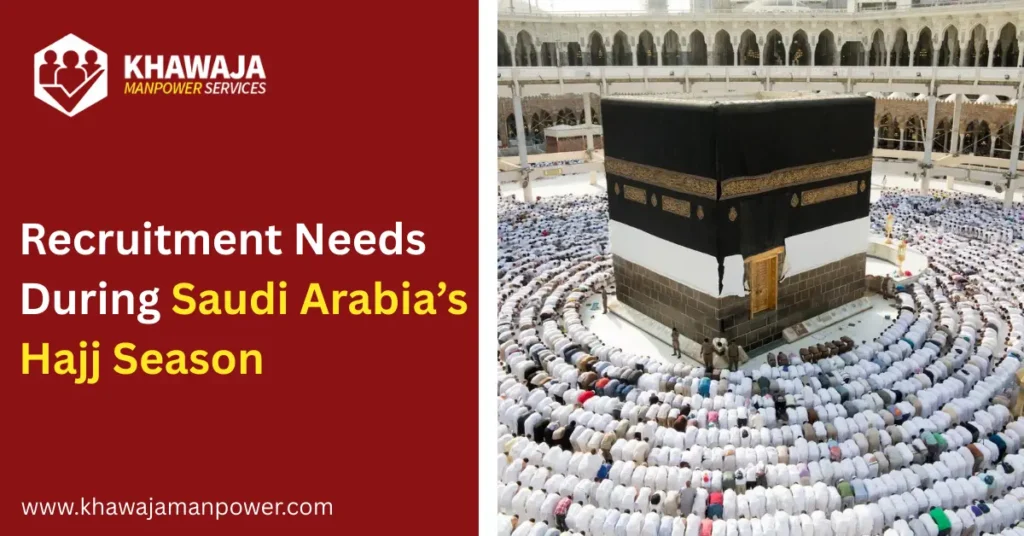
Every year, millions of Muslims from around the world travel to Saudi Arabia to perform Hajj — one of the five pillars of Islam. This special religious journey takes place in the holy city of Makkah and its surrounding areas. Hajj is not just a spiritual experience, but also one of the largest human gatherings on Earth.
To make sure everything runs smoothly during this massive event, Saudi Arabia needs a lot of help. This is where recruitment becomes very important. From health workers and security staff to cleaners and drivers, thousands of people are hired every year just for the Hajj season.
In this blog post, we will look at why recruitment is so important during Hajj, the types of jobs that are needed, and how the country prepares for such a big event.
Why Is Hajj So Important?
Hajj is a religious duty that every Muslim must perform at least once in their lifetime — if they are healthy and can afford the trip. The event takes place once a year, during the Islamic month of Dhul-Hijjah. For five days, pilgrims take part in special rituals such as walking around the Kaaba, praying, and traveling to different sacred sites like Mina, Arafat, and Muzdalifah.
Since more than two million people come to Saudi Arabia for Hajj each year, this creates a huge need for temporary manpower and services. Everything must be carefully planned, from food and shelter to healthcare and transportation. That’s why thousands of workers are hired to help during this short but very busy time.
The Big Role of Recruitment During Hajj
Imagine trying to organize a school field trip — but for millions of people from different countries, speaking many languages. That’s what the Hajj season is like for Saudi Arabia. Without enough workers in place, it would be impossible to keep everyone safe, healthy, and comfortable.
Recruitment helps fill temporary job positions that support every part of the Hajj experience. Most of these jobs last just a few weeks or months, but they are extremely important. The workers ensure that pilgrims can complete their rituals without problems.
Who Gets Hired During Hajj Season?
During the Hajj season, the Saudi government and private companies hire people for many different kinds of jobs. Here are some of the most needed roles:
1. Healthcare Workers
With millions of people in one place, health issues are a big concern. Some pilgrims are elderly or have medical conditions. Others may suffer from heatstroke or exhaustion due to the hot weather.
Doctors, nurses, paramedics, and pharmacists are recruited to work in temporary clinics and hospitals set up near holy sites. Their job is to treat patients quickly and prevent the spread of diseases.
2. Security Personnel
Safety is a top priority during Hajj. Police officers and security guards are needed to manage large crowds, guide pilgrims, and make sure rules are followed.
They help prevent accidents like stampedes, which can happen if people get too crowded in one place. They also protect pilgrims from theft or harm.
3. Transportation Staff
Thousands of buses, trains, and cars are used to move pilgrims from one place to another during the five days of Hajj. Drivers, traffic managers, and transport assistants are hired to keep everything running on time.
Without enough transportation staff, pilgrims would not be able to reach important sites on time, which could ruin their Hajj experience.
4. Cleaners and Sanitation Workers
Keeping the holy sites clean is very important. Pilgrims need clean bathrooms, streets, and resting areas. Every year, thousands of cleaners are hired to work long hours during the Hajj season.
These workers help prevent sickness and create a respectful environment for worship.
5. Hospitality and Food Services
Many pilgrims stay in hotels or large tents. They need food, water, and a comfortable place to rest. That’s why cooks, servers, hotel staff, and tent managers are hired during Hajj.
These workers provide meals, set up sleeping areas, and make sure everyone is taken care of.
6. Guides and Translators
Pilgrims come from many countries and speak different languages. It’s easy for people to get lost or confused.
To help them, guides and translators are hired to give directions, explain rituals, and answer questions. They play an important role in making pilgrims feel safe and welcome.
Where Do the Workers Come From?
Some of the people hired for Hajj season are local Saudi citizens. Others are temporary workers from countries like Pakistan, India, Egypt, and the Philippines. These workers are usually brought in through manpower recruitment agencies in Pakistan for Saudi Arabia that specialize in Hajj and Umrah services.
These agencies help the Saudi government find trained and experienced workers. They also handle paperwork, travel plans, and contracts.
Planning Ahead: How Recruitment Works
Planning for Hajj starts months in advance. Recruitment agencies and government offices work together to list the number of workers needed and what skills they should have. Then they begin hiring, training, and preparing them for the job.
Here are some steps they follow:
- Job Listings: The Saudi Ministry of Hajj and Umrah shares how many workers are needed for each category.
- Selection: Agencies screen workers to make sure they are healthy, skilled, and ready to work in a busy environment.
- Training: Selected workers receive special training about Hajj rules, safety, and how to treat pilgrims with respect.
- Arrival: Workers arrive in Saudi Arabia weeks before Hajj begins so they can settle in and start their jobs on time.
The Benefits of Seasonal Recruitment
Recruiting extra workers for Hajj brings many benefits:
- Pilgrim Satisfaction: With more help available, pilgrims can focus on their rituals without stress.
- Public Health & Safety: Trained workers keep people safe, clean, and healthy.
- Job Opportunities: Seasonal jobs create income for thousands of people.
- Economic Growth: Hotels, restaurants, and transport companies earn more during the Hajj season.
Challenges of Hajj Recruitment
Even though seasonal recruitment is helpful, it comes with challenges:
- Training Time: It takes time to train thousands of workers before Hajj.
- Language Barriers: Not all workers speak the same language as pilgrims.
- Heat and Fatigue: Workers need to stay healthy while working in extreme heat for long hours.
- Crowd Control: Managing large crowds is never easy and needs a lot of teamwork.
Despite these challenges, the system keeps improving every year with better planning, technology, and cooperation.
Final Thoughts
Hajj is a time of peace, prayer, and unity. But behind the scenes, thousands of workers and planners are hard at work making sure everything runs smoothly. Recruitment during the Hajj season is not just about filling jobs — it’s about caring for millions of guests who are on a once-in-a-lifetime journey.
From doctors and drivers to cleaners and guides, each worker plays a small but powerful role in supporting this spiritual event. With strong planning, teamwork, and respect, Saudi Arabia continues to welcome pilgrims from all over the world with open arms and organized service.
Get in touch with the Khawaja Manpower International if you’re looking to recruit workers from Pakistan for Saudi Arabia’s hajj season.
