
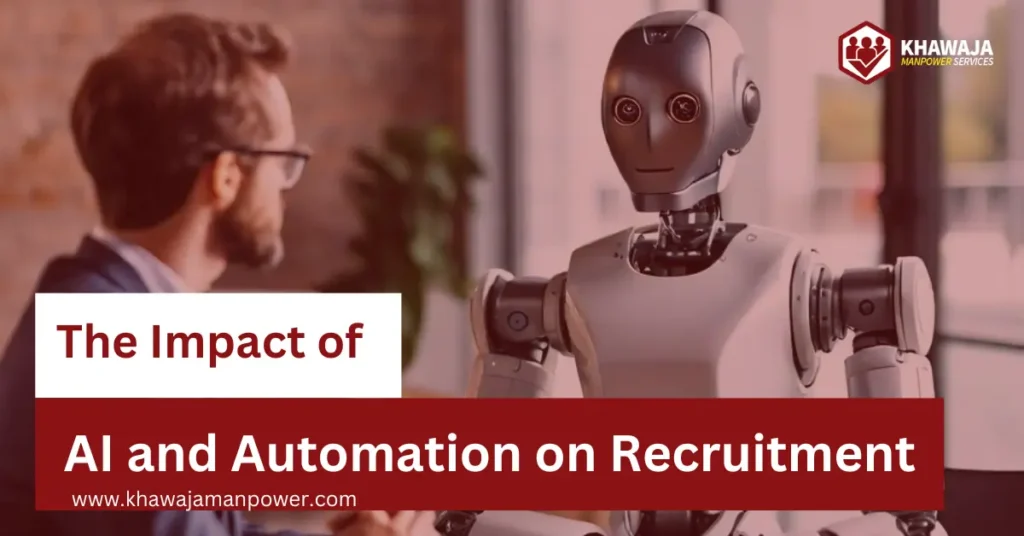
In recent years, the recruitment landscape has undergone a significant transformation, driven largely by advancements in artificial intelligence (AI) and automation. These technologies are not only streamlining hiring processes but also reshaping how organizations attract, assess, and onboard talent. In this blog post, we will explore the various ways AI and automation are impacting recruitment, their benefits and challenges, and the future of hiring in a tech-driven world.
The Rise of AI in Recruitment
AI has made significant inroads into many aspects of recruitment. From sourcing candidates to assessing their qualifications, AI tools are enhancing efficiency and effectiveness at every stage of the hiring process.
1. Sourcing Candidates
Traditional recruitment often involves sifting through countless resumes and applications, a time-consuming task that can lead to missed opportunities. AI-powered sourcing tools can automate the initial stages of candidate discovery, scanning vast databases of resumes, LinkedIn profiles, and other platforms to identify potential candidates who match specific job requirements.
Benefits:
- Time Savings: Recruiters can focus on engaging with candidates rather than spending hours searching for them.
- Diverse Talent Pools: AI can help identify candidates from diverse backgrounds, enhancing inclusivity.
2. Screening and Assessment
Once candidates are sourced, the next step is screening. AI-driven applicant tracking systems (ATS) can quickly evaluate resumes based on predetermined criteria, helping to eliminate unqualified candidates early in the process. Additionally, AI can analyze candidate responses to assessments or pre-interview questionnaires to provide insights into their skills and fit.
Benefits:
- Bias Reduction: AI can minimize human bias by focusing solely on qualifications and skills, although care must be taken to ensure the algorithms themselves are not biased.
- Consistent Evaluation: AI ensures that all candidates are evaluated against the same criteria, promoting fairness.
3. Interview Scheduling and Coordination
The logistical challenges of coordinating interviews can often delay the hiring process. AI-powered chatbots can automate scheduling by interfacing with candidates and hiring managers, finding mutually available times and sending reminders, all while maintaining a personable interaction.
Benefits:
- Enhanced Candidate Experience: Quick responses and flexible scheduling improve the candidate’s experience and engagement.
- Increased Efficiency: Reduces the administrative burden on HR teams.
4. Predictive Analytics
AI can analyze historical data to predict candidate success and turnover rates, helping recruiters make informed decisions. By assessing factors like past performance, cultural fit, and engagement levels, AI tools can provide insights that guide hiring choices.
Benefits:
- Improved Hiring Outcomes: Organizations can make data-driven decisions, potentially leading to better retention and employee satisfaction.
- Strategic Workforce Planning: Insights from predictive analytics can help HR teams anticipate future hiring needs.
Challenges of AI in Recruitment
Despite the clear advantages, the integration of AI and automation into recruitment also comes with challenges:
1. Bias in Algorithms
AI systems learn from historical data, which can inadvertently perpetuate existing biases if the data reflects discriminatory hiring practices. This can lead to unfair candidate evaluations and a lack of diversity in hiring.
2. Candidate Experience
Over-reliance on automated systems can lead to impersonal interactions, which may deter top talent. Candidates often seek genuine connections during the recruitment process, and if they feel they are merely a number in an automated system, they may disengage.
3. Technical Dependence
Recruiters must be trained to use AI tools effectively. If teams lack the necessary skills to interpret AI-generated insights or manage these technologies, the potential benefits may not be fully realized.
The Future of Recruitment
As AI and automation continue to evolve, their role in recruitment is likely to expand. Here are a few trends to watch:
1. Hybrid Recruitment Models
The future of recruitment will likely involve a hybrid model where AI complements human expertise. Recruiters will focus on relationship-building, candidate experience, and strategic decision-making, while AI handles repetitive tasks.
2. Personalized Candidate Experiences
With advancements in AI, personalized candidate experiences will become more prevalent. From tailored job recommendations to customized communication strategies, organizations will be able to engage candidates in a more meaningful way.
3. Continuous Learning Systems
AI systems will increasingly adapt and learn from new data, improving their accuracy and effectiveness over time. This continuous learning will enable recruiters to refine their strategies and outcomes further.
Conclusion
The impact of AI and automation on recruitment is profound and multifaceted. While these technologies offer numerous benefits in terms of efficiency, bias reduction, and improved candidate experiences, organizations must navigate the associated challenges carefully. By embracing a balanced approach that combines the strengths of AI with the invaluable human touch of recruiters, companies can create a more effective, inclusive, and engaging recruitment process. As the landscape continues to evolve, staying informed and adaptable will be key to harnessing the full potential of AI in recruitment.
Khawaja Manpower is an international recruitment agency in Pakistan which provides recruitment services and staffing solutions to overseas employers worldwide. It caters to oil & gas industry, construction, healthcare, hospitality and much more.
